Extreme Conditions and Reliable Results through Effective Maintenance and Calibration
This integrated approach offers the following advantages:
- Comprehensive equipment assessment
- Minimised downtime
Chamber Maintenance
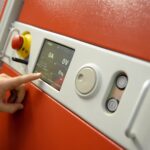
The importance of regular maintenance done by experienced and qualified Service Engineers ensures:
- Improved reliability
- Extended component life
- Optimal chamber performance
Typical maintenance actions are:
- Cleaning the outside of the instrument
- Internal instrument cleaning
- Emptying and cleaning the humidification tank
- Emptying and cleaning the feed tank
- Checking nozzles and discharge pipes
- Checking the compartment of refrigeration units, heat sinks and fans
Chamber Calibration
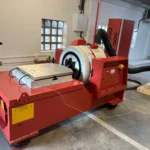
Over time, test chambers can deviate from the calibrated settings due to factors such as wear and tear of components, environmental changes, and component aging. Chamber calibration thus serves to adjust and align the control parameters, such as temperature and humidity, thus ensures:
- Enhanced accuracy
- Reliable results
IEC 60068-3-5 is an international standard that outlines specific methodologies for the calibration of temperature chambers, ensuring that they can accurately simulate environmental conditions for effective product testing.
The calibration procedure defined by this standard typically includes the following key steps:
- Calibration procedure
Conduct the calibration in accordance with a test plan that outlines the desired temperature set points to be calibrated against a recognised reference standard. The same also if humidity needs to be calibrated. - Preparation and Setup
Ensure that the chamber is clean and free from any obstructions that could affect measurements. Verify that all control settings are at their baseline or default values. - Thermal Mapping
Conduct thermal mapping to assess the even temperature distribution within the chamber. This involves placing calibrated temperature sensors at various strategic locations inside the test chamber. Monitor and record the temperature readings at such locations over a specified period to evaluate the uniformity of the temperature distribution. - Sensor Calibration
Incrementally adjust the chamber to these set points and allow sufficient stabilisation time for each temperature level. Record the actual temperature over a defined period, ensuring comparability with the set values, and document any deviations. Check the accuracy and calibration status of existing sensors against a recognised reference standard. Should discrepancies be found, adjust or replace the sensors accordingly to retain accurate measurement results. - Measurement analysis
Analyse the recorded data to identify deviations from expected values. This includes calculating the average and standard deviations to assess performance. Determine if the temperature distribution meets the specified tolerances outlined in IEC 60068-3-5. - Documentation
Compile all calibration results and observations in a calibration report. This report should detail the methodologies used, conditions during testing, any adjustments made, and results achieved. Ensure that all findings are traceable to National or International standards.
For chamber maintenance and calibration, please contact:
William Hanekom
Office +27 87 092 0920
Cell +27 83 412 2175
Email w.hanekom@tandm.co.za